


I have always believed in human rights for all. Over the years, I would like to believe that I have also evolved my work so that I can do something to protect, preserve or promote these rights.
One of the issues important to work on is how we treat migrants and refugees.
A few weeks ago, a basketball friend, who shall go by the name of Shahrul, said to me that he can’t stand the Rohingya, who apparently have a community living near his area in Cyberjaya.
He says that they are dirty, rude, rough and do not seem to contribute much to society.
I argued that these are just stereotypes. There are bad hats in any community or ethnic group, we just can’t blanket them all as such.
Shahrul rebutted, saying that I would change my mind if I tried living with the Rohingya.
My ego got the better of me, and I started spewing about the times I’ve spent with the Rohingya, from visiting them at their homes and workplaces around the Klang Valley, to spending a month in the Kutupalong refugee camp in Bangladesh.
Perhaps, Shahrul got tired of listening to me as he started nodding and saying yes to everything I said. I got the hint that I was being overbearing at that point, and so we changed the topic to basketball.
But I started thinking about it more. I had a conversation with another friend, Thomas, who works with refugee and migrant communities.
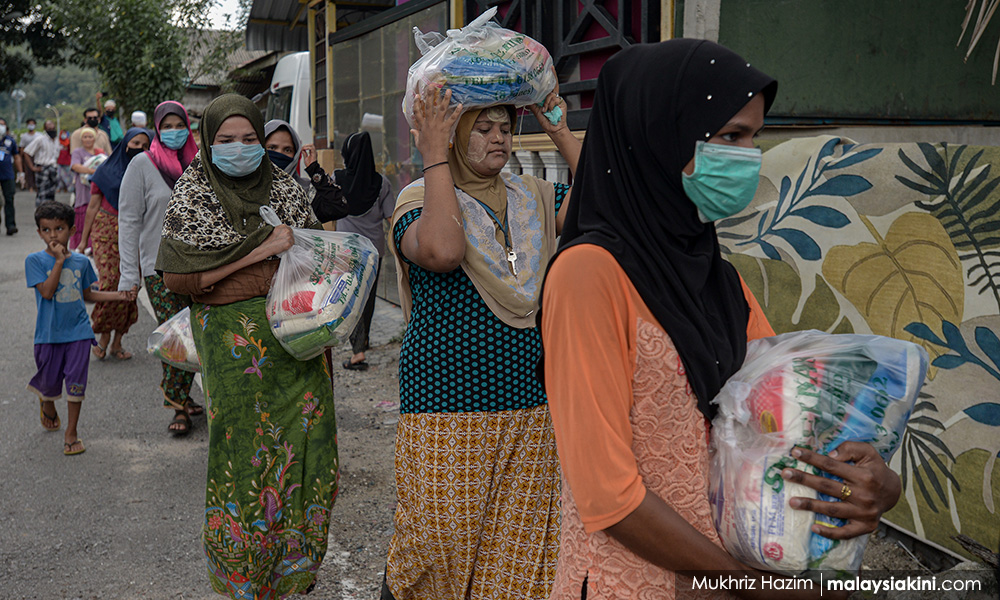
He has a lot of experience helping the Rohingya. What he told me is that the Rohingya definitely are an oppressed people, but they don’t make it easy for us to help.
What did he mean by that? It is exactly the stereotypes we always read and hear about, nothing Shahrul did not already mention.
Check your privilege
But here’s the deal. There have to be reasons behind the way a community behaves and acts.
For example, take someone who is a good student in school and comes from a privileged family and environment; he or she has access to the best tutors, can afford books and study material, is exposed to different things and also has very supportive and present parents.
Compare that with someone from a less privileged background and isn’t doing too well in school. He or she does not have access to private tuition classes, can’t afford the best books and study material, and has parents who are just too busy trying to make ends meet to be as supportive as they need to be.
It would be wrong for the privileged individual to say to the less privileged that he or she just needs to pay more attention in school and study harder.
It’s unfair and insensitive because it just isn’t as simple as trying to do better. We need to understand the entire context.
Hardship after hardship
And so it is for the Rohingya. We need to be more understanding and sensitive. The Rohingya have been an oppressed people for generations, definitely in their homeland in Myanmar, but also in many of the countries that they have fled to, like Malaysia.
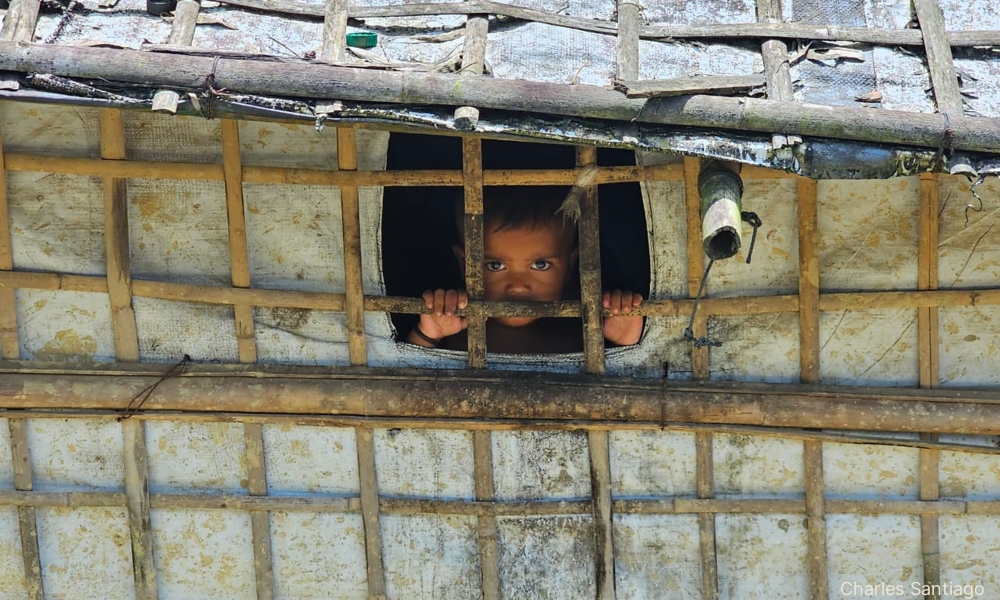
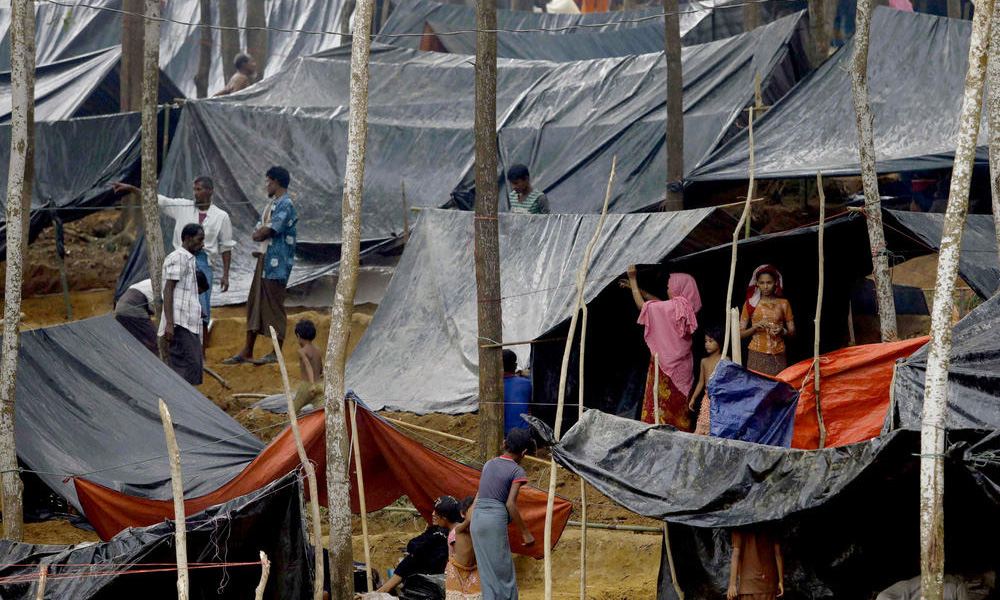
They have no access to education, healthcare, or even jobs to earn a living. They struggle every day to survive.
In Malaysia, they worry about finding small, laborious jobs for a meagre income to feed their children, they scrounge to find landlords who would rent to them and avoid the police and immigration.
In their homeland, things are much worse. For generations, they have been denied access to schools and healthcare. Their villages have been destroyed.
They have been killed, raped and tortured. Can we really blame them if they are a little rough around the edges?
Can’t we take the higher ground and be more understanding and empathetic? Can’t we be less selfish and be more sympathetic?
Empathy goes a long way
We are privileged and can afford to help the Rohingya or any community in need, no matter how small the act of kindness may be. I don’t think it’s that hard to be human.
To be honest, I can actually see some positive signs of humanity. Recently, in Parliament, PKR’s Pasir Gudang MP Hassan Abdul Karim urged the Human Resources Ministry to get the cabinet to discuss the issue of allowing the Rohingya to work in Malaysia legally.
Deputy Human Resources Minister Khairul Firdaus Akhbar Khan accepted the comment and said that more studies need to be done. He stated that his ministry and the Home Ministry will discuss it. How far this will actually happen, we’ll have to wait and see.
We also have many NGOs and CSOs working hard to assist the Rohingya and other refugee and migrant communities, and also to lobby for policy change in the government.
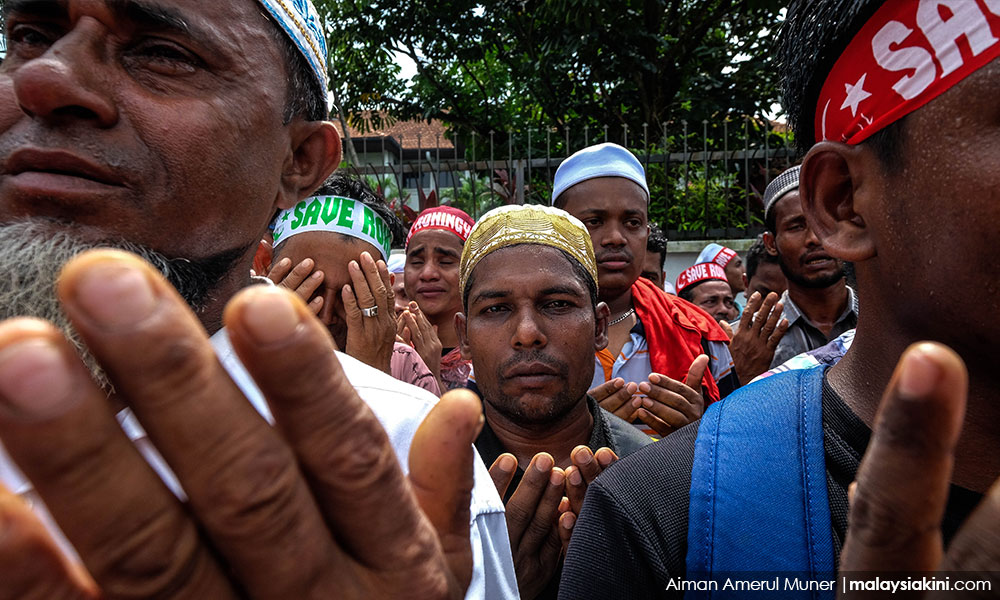
I still have faith. There may be more people who are ignorant of these issues and are just following the bandwagon of hate.
But, based on my observations working on and around this issue for the past two decades, I believe the number of those who are not is growing - slowly but steadily.
Malaysia boleh! Tapi lambat sedikit (Malaysia can do it! It’ll just take a little longer). - Mkini
ZAN AZLEE is a writer, documentary filmmaker, journalist and academic. Visit fatbidin.com to view his work.
The views expressed here are those of the author/contributor and do not necessarily represent the views of MMKtT.

No comments:
Post a Comment
Note: Only a member of this blog may post a comment.