


The deputy prime minister says security laws must be reviewed and strengthened, while the deputy IGP says he feels the ISA should be revived.
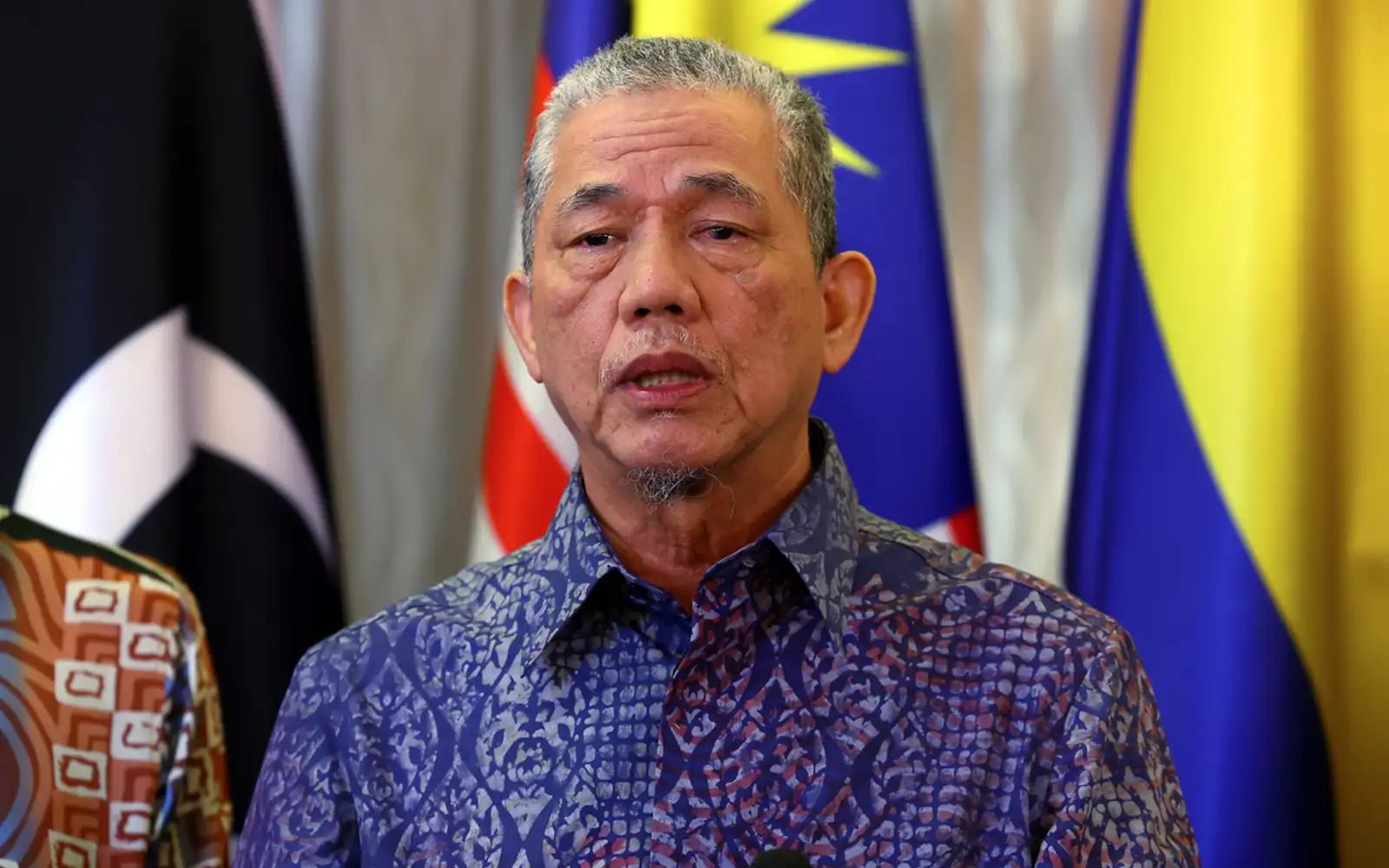
Speaking after a seminar in Kuching today, he said legislation should only serve as a last resort and Malaysia must strike a balance between safeguarding national security and meeting international legal standards.
However, deputy inspector-general of police Ayob Khan Mydin Pitchay, who was also in Kuching today, said his personal view is that the ISA should be revived. He said the law had been among the most effective mechanisms for addressing threats to national security, deviant teachings and sensitive issues on race, religion and royalty.
Harian Metro reported him as saying that under the ISA, authorities were able to act, especially when an ideology or teaching was found to contravene the National Fatwa Council’s rulings, without having to wait for action by the state Islamic religious departments.
“In my view – and this is not a proposal – the ISA needs to be revived. It has been proven to be effective in managing threats to national security and harmony,” he was quoted as saying.
Fadillah called for families, schools and communities to play a greater role in fostering moderation. “We need to build good character. If people have strong values and moral character, extremist and radical tendencies can be prevented from taking root,” he was quoted by Dayak Daily as saying in response to questions about whether the ISA should be revived.
In May, Putra president Ibrahim Ali had urged the government to enact a special law similar to the ISA to punish any party or person who questions royal decrees or insults the royalty. He said his party had proposed a special legal mechanism under which those accused of insulting the royalty could be detained for up to two weeks without a court warrant for investigation purposes.
The ISA, which was enacted in colonial times, allowed for detention without trial for up to two years. The law was described as draconian by human rights advocates who accused the government of using it to suppress political dissent. Political pressure over the years led to its repeal in 2012 and replaced by the Security Offences (Special Measures) Act, commonly called Sosma. - FMT

No comments:
Post a Comment
Note: Only a member of this blog may post a comment.