


PKR, under Anwar Ibrahim’s leadership, must acknowledge that some reform promises were unrealistic and difficult to implement, said former party vice-president Tian Chua.
According to him, honestly admitting such mistakes is itself part of the reform process.
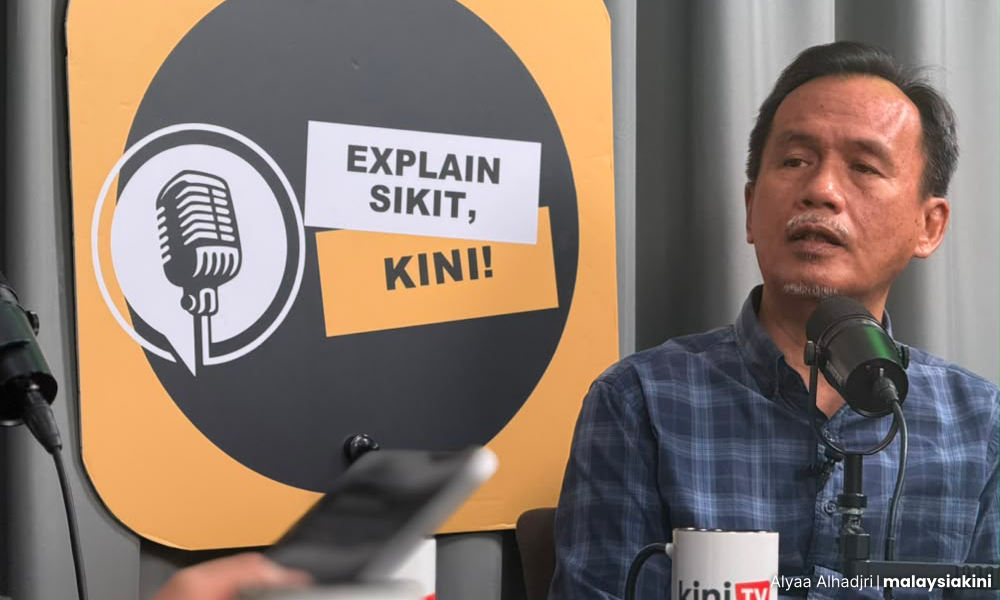
Chua (above) said the responsibility for carrying out reforms does not rest solely on the prime minister, and that every minister in the Madani government must also demonstrate their own performance.
“So, to me, it is the responsibility of every minister to see how they can deliver reforms through their own authority and by improving their own performance.
“It also depends on PKR members and its middle-ranking leaders to work towards achieving the reforms that we promised.
“And reform also includes honestly telling the people that some of the promises that were made were unrealistic and that this was a mistake. That was a mistake that we must acknowledge,” he said on KiniTV’s “Explain Sikit, Kini” podcast.
Chua was expelled from PKR after contesting as an independent candidate in the Batu parliamentary seat in the last general election.
However, he attended the PKR congress in Malacca on Aug 15, where Anwar, in delivering his policy speech, apologised and appealed to former party leaders and activists to return to the PKR fold.
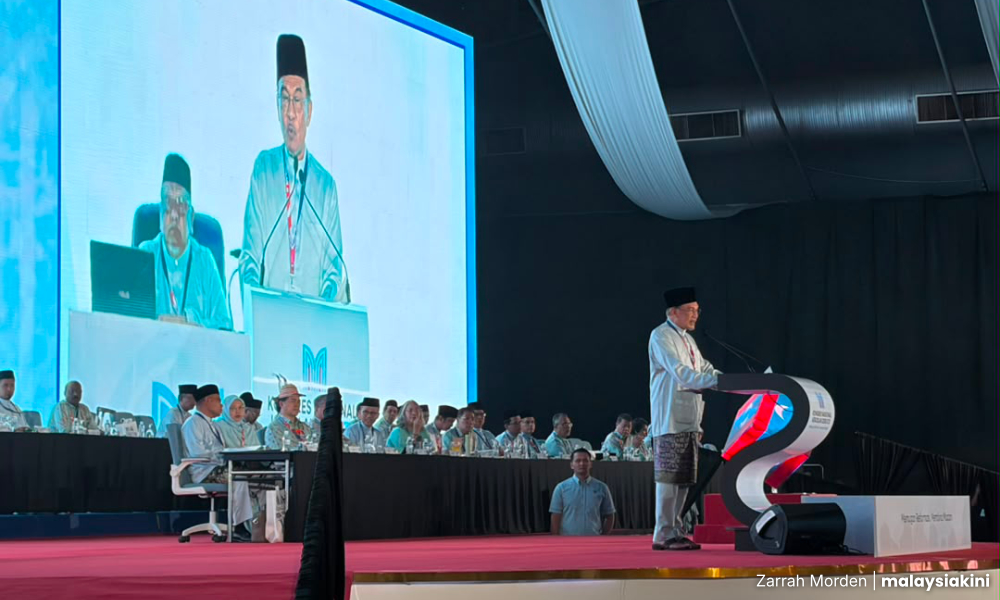
“First, the veterans, who sometimes… this is normal… please return… my other friends, who may feel somewhat sidelined.
“If we have made any mistakes, I apologise. Come back to the path of our struggle,” Anwar said.
Chua further said that the PKR leadership needed to find more creative ways to fulfil its promises to the people, including reducing the cost of living.
He said the government should make the best possible use of the remainder of its term to advance the reform agenda instead of continuing to make unrealistic promises.
UUCA issue
Another guest of the podcast, writer and former Malaysiakini editor Fathi Aris Omar, agreed with Chua on reform promises made to the public.
Fathi cited the debate over demands to abolish the Universities and University Colleges Act 1971 (UUCA), particularly to allow university students greater political freedom, as an example.
According to him, the focus on abolishing UUCA should not cause the broader objective of building excellence in universities to be overlooked.
“Sometimes we become too legalistic and technical. We forget whether what we want is to give university students political freedom through the abolition of UUCA, or whether we want to build excellent universities.
If we want to build excellent universities, abolishing UUCA alone is not enough.
“So, what is our actual context? In the context of UUCA, NGOs, activists, writers, and sometimes political party members forget that our fundamental issue is education.
“How do we improve excellence in higher education, and this is also related to how our standards at primary and secondary schools have declined,” Fathi said. - Mkini

No comments:
Post a Comment
Note: Only a member of this blog may post a comment.