


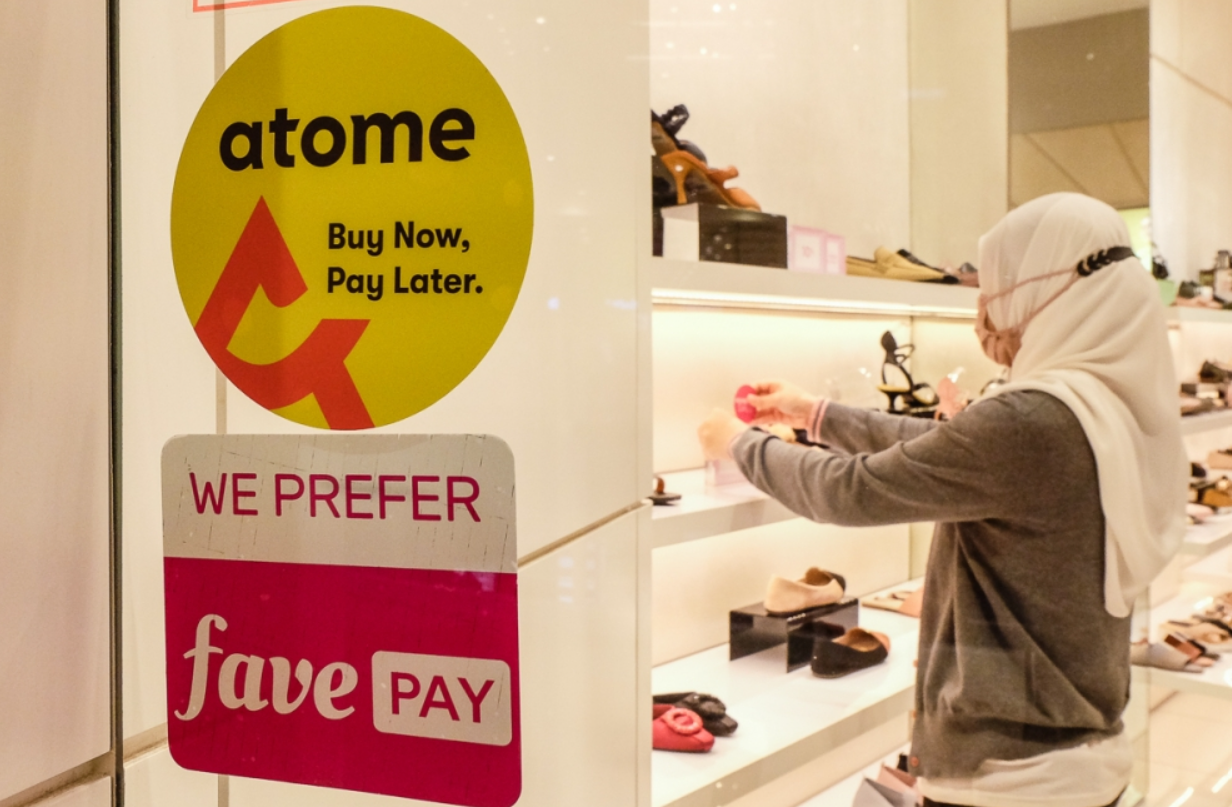
MALAYSIA’S Buy Now, Pay Later (BNPL) market is expanding rapidly. According to the Finance Ministry, outstanding BNPL balances have reached RM5.3 billion, with eight million active accounts. More strikingly, 40% of users are aged 30 and below.
The figures raise an important question: are we simply making purchases more convenient, or are we gradually normalising debt?
BNPL has undoubtedly made shopping easier. A new phone, a pair of sneakers or even everyday purchases can now be split into manageable instalments with just a few taps. For many consumers, particularly young adults entering the workforce, the appeal is obvious.
There is nothing inherently wrong with BNPL. Many Malaysians, myself included, have used it responsibly.
The real concern is not the size of the market, but the financial habits it may be encouraging.
Small purchases rarely feel significant on their own. A meal delivery today, a shopping haul next week or another gadget the following month may seem harmless individually. Collectively, however, they can quietly become a substantial financial burden.
Behavioural economists describe this as the “pain of paying”. Handing over cash creates an immediate sense of loss, encouraging people to think twice before spending.
Digital payments, and particularly BNPL, reduce that psychological friction. When spending feels effortless, consumers are more likely to buy things they might otherwise postpone or avoid altogether.
Over time, wants begin to resemble needs, and impulse purchases become routine.
The consequences extend beyond monthly repayments. Missing instalments can affect future borrowing, making it more difficult to secure financing for a home, a business or even a vehicle.
Financial stress also affects mental wellbeing, relationships and workplace productivity.
A generation weighed down by small but persistent debts is less likely to build savings, invest for the future or accumulate long-term wealth. That is no longer simply a personal financial issue. It has broader economic implications.
The government’s proposal to establish a Consumer Credit Commission is therefore a welcome step. Bringing BNPL providers under a clearer regulatory framework, requiring affordability assessments and promoting greater transparency should strengthen consumer protection.
Regulation alone, however, will not solve the problem.
Financial literacy must become a larger part of everyday life. Schools should teach practical money management alongside academic subjects, while parents should have more open conversations about budgeting, saving and delayed gratification.
BNPL providers also have a responsibility. Spending dashboards, affordability alerts and voluntary monthly spending limits would help consumers make informed decisions rather than simply encouraging higher spending.
Ultimately, Malaysia’s young consumers are not uniquely irresponsible. They are growing up in an environment where “buy now” has become the default and “pay later” is marketed as a smarter way to spend.
The system is designed to reduce the psychological barriers to consumption, and consumers naturally respond to those incentives.
That is why the RM5.3 bil figure should be viewed not as a crisis, but as an early warning.
BNPL remains a useful financial tool when used responsibly. It can help households manage cash flow and spread the cost of essential purchases. But convenience should never come at the expense of financial discipline.
The real measure of financial freedom is not the ability to buy everything we want today. It is having the confidence, security and discipline to know when waiting is the better choice.
As Malaysia embraces new forms of consumer credit, the challenge is not to discourage innovation, but to ensure convenience does not evolve into a culture where debt becomes the default rather than the exception.
KT Maran is a Focus Malaysia viewer.
The views expressed are solely of the author and do not necessarily reflect those of MMKtT.
- Focus Malaysia.

No comments:
Post a Comment
Note: Only a member of this blog may post a comment.