


A 50-year-old woman, Sofia Rini Buyong, has pleaded not guilty to a criminal defamation charge under Section 500 of the Penal Code.
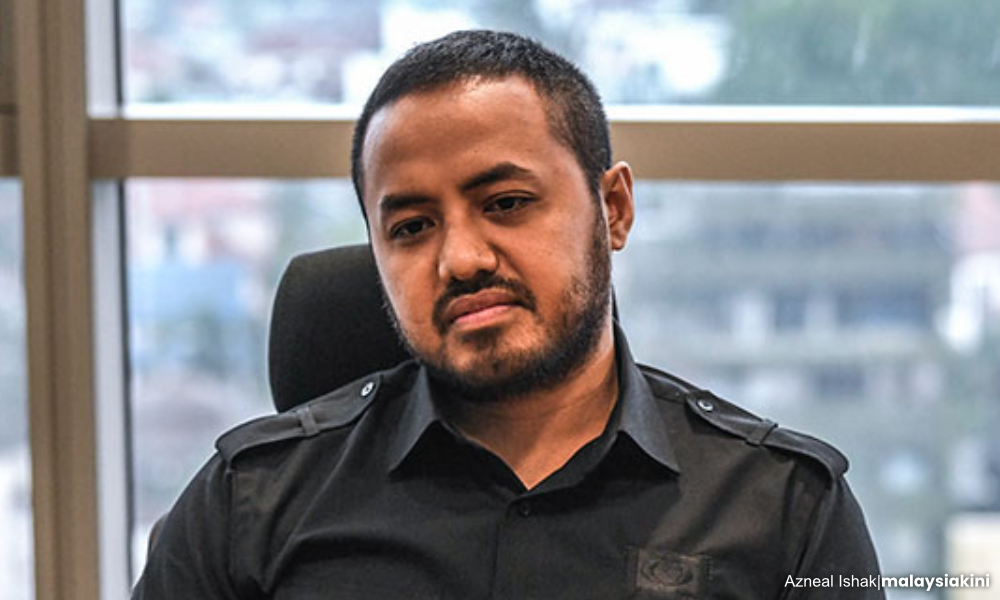
She is accused of defaming businessperson Farhash Wafa Salvador Rizal Mubarak via a video uploaded last April, where she alleged to have stolen money and transferred it to Turkiye and various African countries.
By claiming trial, she has rejected the indictment. Notably, Farhash has acquired Turkish citizenship, which many speculate was facilitated by Prime Minister Anwar Ibrahim due to his close relationship with President Recep Tayyip Erdogan.
It is perplexing that she has been hit with a criminal defamation charge. Why slap her with criminal defamation? It is truly baffling.
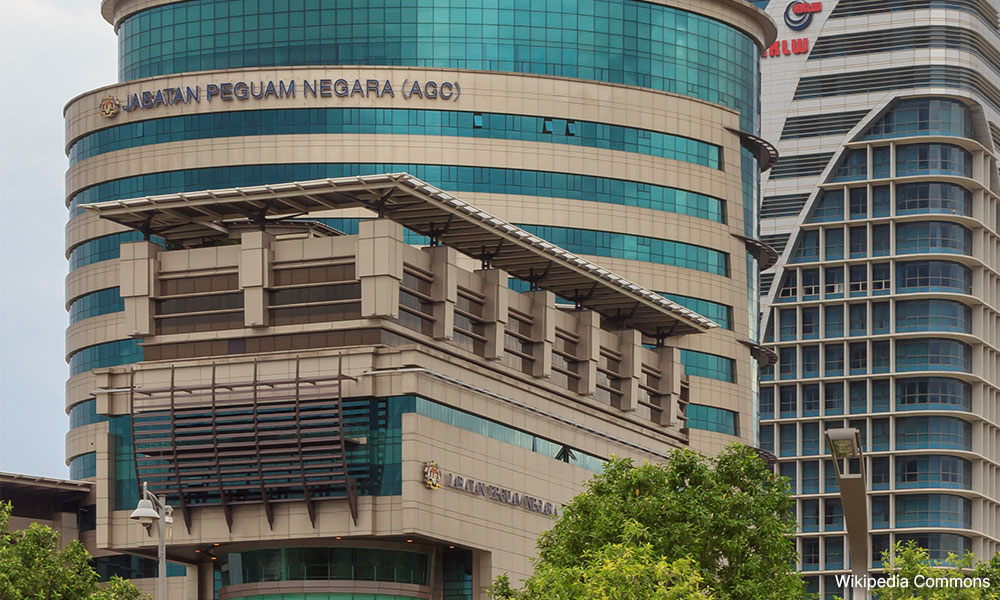
Is the government, via the police and the Attorney General’s Chambers (AGC), attempting to signal that the public should think twice before exercising freedom of speech?
While any defamatory statement - legally speaking - can trigger legal consequences under civil or criminal frameworks, alleged defamers are almost universally sued for damages in civil court.
Pursuing criminal defamation remains an exceedingly rare exception.
Issue involving 2 individuals
As the criminal charge essentially involves an alleged defamatory imputation against Farhash, it would be logical and reasonable for Farhash himself to file a libel suit against the lady.
Hence, the legal battle in a civil suit essentially involves only two individuals.
By commencing a criminal defamation suit on an allegation primarily against Farhash, in my view, it would be unfair to the poor lady because she is not only facing Farhash in court.
On the contrary, she has to face the strength of the entire state machinery as if Farhash is being represented by the state.
Sofia is forced to fight in an unequal playing field. To start, she must post a RM7,000 bail, whereas civil defamation suits never require bail.
The decision to pursue criminal defamation charges in this case - viewed from any perspective - raises serious questions.
It prompts concerns that the government, through the AGC and police, is attempting to restrict freedom of expression, duly guaranteed under our supreme law.
Following Pakatan Harapan's significant electoral loss in Johor, this issue is poised to become a central focus of the upcoming Negeri Sembilan state election campaign. - Mkini
MOHAMED HANIPA MAIDIN is a former deputy minister of law.
The views expressed here are those of the author/contributor and do not necessarily represent the views of MMKtT.

No comments:
Post a Comment
Note: Only a member of this blog may post a comment.