


For days now, political commentators have been trying to explain BN's remarkable victory in Johor. Some say Pakatan Harapan failed to connect with voters. Others argue BN simply organised the better campaign. A few called it the "Onn Hafiz factor".
There is probably some truth in all those explanations, but perhaps they all miss the bigger story.
This election may not have been about who gave the best speeches or ran the best campaign. It may have been about something much simpler.
After more than a decade of political instability, Malaysians have probably decided that they want stability.
Prime ministers have come and gone. Governments have changed. Coalitions have formed, collapsed and re-emerged under different names. Political manoeuvring became so common that uncertainty itself became part of everyday politics.
Against that backdrop, many Johoreans may have entered the polling station asking just one question:
Who can provide a stable government?
Not a perfect government. Not an exciting government. Simply a stable government.

Whether that judgment proves right or wrong is something only time will answer.
Only the beginning
If stability has become the new currency of Malaysian politics, then Johor may prove to be far more significant than a single state election. It may offer an early glimpse of what voters could be looking for in the 16th general election.
Yet winning an election is only the beginning.
History does not remember leaders because they won elections. History remembers what they did after they won. And that is where the real "Onn Hafiz factor" begins.
Few politicians inherit circumstances quite like Onn Hafiz Ghazi, Johor's menteri besar. Three powerful historical forces now converge in one man.
The first is family.
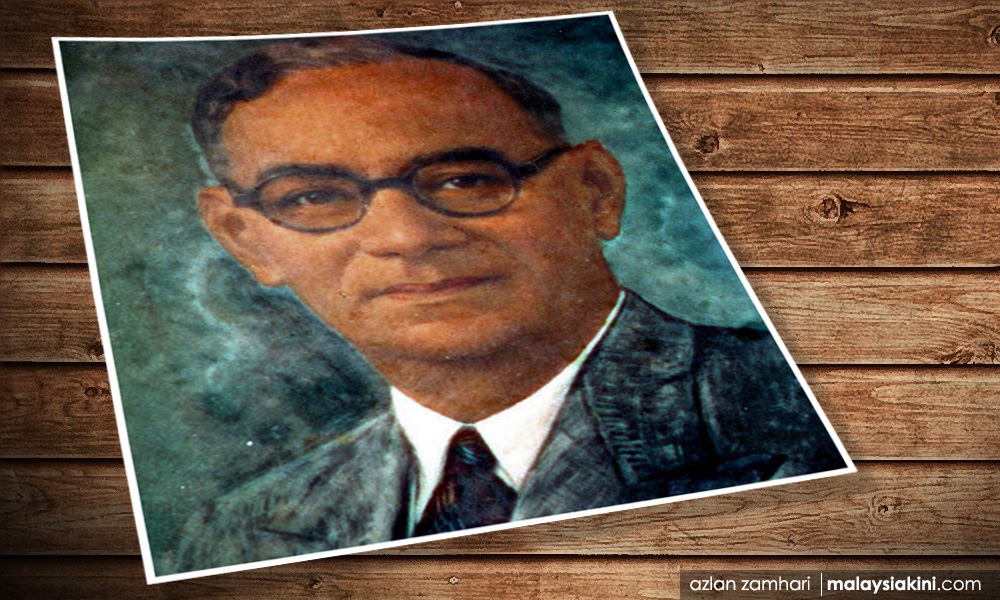
Onn Hafiz's great-grandfather, Onn Jaafar, founded Umno. Yet he also did something extraordinary.
He concluded that Malaya's future could not be built upon race alone. He proposed opening Umno to all communities. When the proposal was rejected, he walked away from the very party he had founded.
Few political leaders abandon their own creation because of principle.
Onn Jaafar did.
History has now produced an extraordinary irony. His great-grandson leads that same party in the state where it was born.
A different Johor
The second factor is that Johor today is very different from the Johor Onn Jaafar knew. Its economy is deeply connected to Singapore. Foreign investment continues to flow into the state. Its industries compete internationally. Its workforce is increasingly diverse.

Its prosperity depends not only on local confidence but on global confidence.
Businesses do not invest because politicians make emotional speeches. They invest because governments are predictable. Because institutions are reliable. Because policies are consistent.
Capital flows towards confidence, and jobs are created through good governance, not political slogans. That reality presents Onn Hafiz with a challenge unlike that faced by many previous menteris besar.
He leads Umno in its birthplace. Yet he governs one of Malaysia's most internationally connected states. Balancing those two realities may become the defining test of his leadership.
Improving governance earns respect
Johor has given Onn Hafiz something many politicians never receive. A commanding mandate, and that brings enormous political capital.
Political capital can be spent wisely or wasted. Some leaders use overwhelming victories to strengthen themselves. Others use them to strengthen institutions.
The greatest leaders understand the difference. While winning elections earns applause, improving governance earns respect.
The celebrations will soon end, and that is when the difficult work begins.
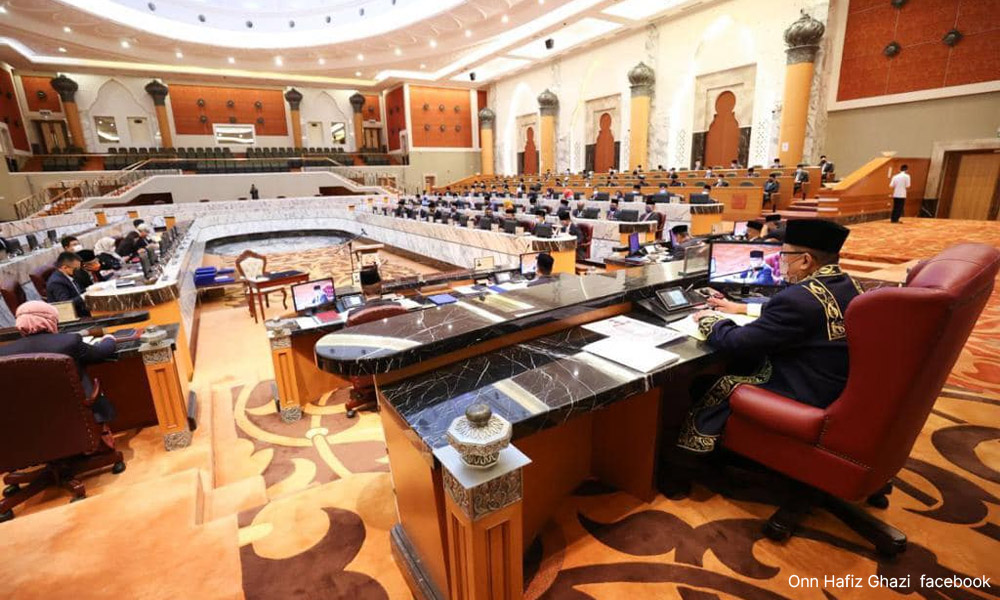
Can public administration become more transparent? Can investment continue while protecting local interests? Can economic growth be matched by better public services? Can Johor become a model of competent state government rather than simply another electoral success story?
Those questions matter far more than the size of Umno-BN's majority.
Asking the wrong question
Many commentators are already asking whether the "Onn Hafiz factor" can be repeated elsewhere.
Perhaps they are asking the wrong question.
The more important question is whether Johor has witnessed the emergence of a different kind of state leader.
A leader judged not merely by popularity, but by competence, by integrity, by consistency and by results.
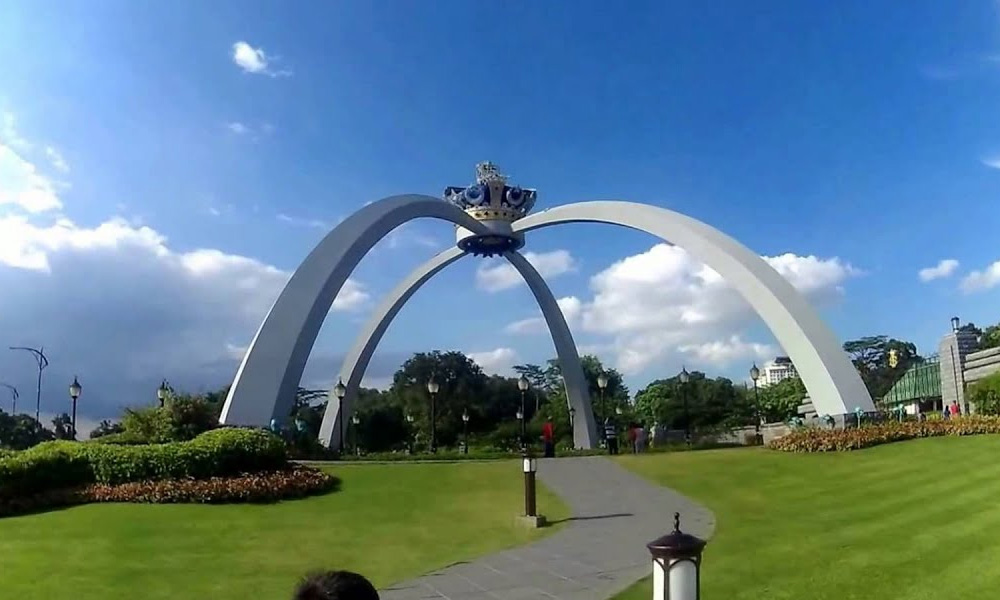
Johor is unlike most Malaysian states. Its monarchy plays an important constitutional and public role. Its economy is closely linked to international markets. Its people expect stability. Its investors expect certainty. Its citizens expect progress.
Meeting all those expectations simultaneously will not be easy. That is why leadership, and not campaigning, will now determine Onn Hafiz's legacy.
Leadership begins after victory.
Full circle
Whether intentional or not, history has brought the Onn family full circle.
The election is over. The campaign slogans have faded. The celebrations will soon be forgotten. History is only just beginning to write its verdict.
Johor has already decided that Onn Hafiz deserves its trust. Now comes the far more difficult task.
To prove that trust was justified - because elections make politicians.
Leadership makes history. - Mkini
MARIAM MOKHTAR is a defender of the truth, the admiral-general of the Green Bean Army, and the president of the Perak Liberation Organisation (PLO). Find her on her website and on X.
The views expressed here are those of the author/contributor and do not necessarily represent the views of MMKtT.

No comments:
Post a Comment
Note: Only a member of this blog may post a comment.